Build Your Personal Operating System for Modern Life


Today we dive into building a personal operating system for modern life: a living stack of principles, tools, and rhythms that reduces friction, clarifies priorities, and amplifies energy. You will learn pragmatic patterns, test tiny experiments, and assemble a resilient, portable approach that travels with you across projects, seasons, and devices. Share your questions, subscribe for field-tested templates, and shape this evolving conversation with your own practices.

First Principles and a Humane Core

Before apps and automations, anchor everything in values, constraints, and supportive defaults. A workable system respects human limits, honors attention as a scarce resource, and privileges clear choices over endless options. Expect imperfect days, design for recovery, and favor momentum over drama. We will borrow from systems thinking, behavioral science, and craft traditions to build something gentle yet robust, so it supports your best work and your life beyond work without demanding constant vigilance or heroic willpower.

Stacks Over Silos: Tools and Architecture
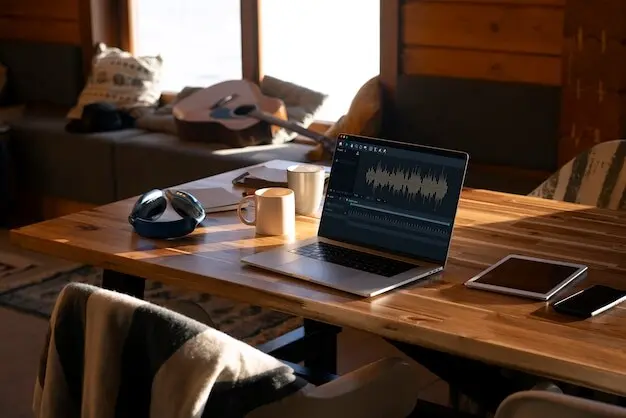
Stacks, Not Silos

Pair a capture tool with a planner, a notes database with a search layer, and a calendar that reflects reality, not fantasy. Choose defaults that help information flow instead of pile up. Nadia swapped three overlapping apps for one fast note system and a calendar rule. Her updates sped up, and maintenance time dropped dramatically without sacrificing clarity or creativity.

APIs of Daily Life

Pair a capture tool with a planner, a notes database with a search layer, and a calendar that reflects reality, not fantasy. Choose defaults that help information flow instead of pile up. Nadia swapped three overlapping apps for one fast note system and a calendar rule. Her updates sped up, and maintenance time dropped dramatically without sacrificing clarity or creativity.

Paper Meets Silicon

Pair a capture tool with a planner, a notes database with a search layer, and a calendar that reflects reality, not fantasy. Choose defaults that help information flow instead of pile up. Nadia swapped three overlapping apps for one fast note system and a calendar rule. Her updates sped up, and maintenance time dropped dramatically without sacrificing clarity or creativity.

Morning Boot Sequence

Begin with ten quiet minutes: scan calendar realities, select three outcomes, and prepare a visible first step. Add one compassion check, asking what would make today easier for your future self. Readers report that this small practice prevents heroic overcommitting, defuses anxiety loops, and enables meaningful starts even when sleep, schedules, or moods are far from ideal.

Weekly Rebuild

Once a week, empty every inbox, prune lingering guesses, and rewrite a single-page plan. Archive stale promises without guilt. This is not housekeeping; it is architecture. When Olivia moved her review to Friday lunchtime, weekends softened, and Mondays began focused. The ritual turned surprise firefights into manageable adjustments because her commitments were visible, negotiated, and honestly sized.

Knowledge, Memory, and Decisions

Knowledge should compound like interest. Build notes that help you think, not just store quotes. Use spaced reviews to resurface insights when they are most needed. Track choices and their reasons to learn faster from outcomes. Over time, your archive becomes a collaborator, surfacing connections across projects and seasons. The goal is judgment that improves with every cycle rather than isolated wins.

Notes That Compute

Write notes that answer future questions: why it matters, how it works, and where to use it. Link ideas with verbs, not just tags. Emma kept atomic summaries with example prompts, then referenced them during planning. Her proposals improved because her notes did thinking on demand, transforming scattered highlights into reusable building blocks that accelerated creative leaps.

From Goldfish to Dolphin Memory

Short attention spans are not destiny. Schedule lightweight reviews and quick recall prompts that swim through your week like friendly companions. Pair flashcards with scenario questions, not trivia. You will remember concepts when context demands them, not only during drills. The effect compounds, turning once-fragile knowledge into a reliable toolkit that shows up precisely when stakes are real.

Decision Journals and After-Action

Log major choices with hypotheses, alternatives, and confidence levels. Revisit after outcomes to learn whether you judged the situation or just got lucky. A small studio adopted this habit for hiring and pricing. Within months, patterns emerged, biases softened, and conversations matured. Better decisions followed because reflection replaced hunches, and improvement became visible rather than accidental or mythical.

Energy, Focus, and Relationships

A system that ignores the body and your people will eventually ignore you back. Track energy like a battery, protect focus like a scarce budget, and invest in relationships as essential infrastructure. Micro-rest, daylight, movement, and nourishing food are not luxuries; they are performance dependencies. Cooperative calendars, candid check-ins, and generous boundaries mean you can deliver without burning trust or yourself.

Scaling, Safety, and Seasonal Change

As responsibilities grow, let scaffolding grow with them. Automate repetitive steps, script checklists, and archive with intention. Guard privacy by default and review permissions regularly. Expect seasons: sprint, cruise, recover. During each, swap tools or cadence, not identity. Resilience emerges when you honor changing bandwidth without sacrificing integrity, and when your system bends gracefully instead of shattering under surprise.

Automate the Boring, Elevate the Human

Use rules, templates, and scripts for recurring tasks, then spend saved attention on judgment and creativity. Automate calendar links, invoice numbers, file naming, and routine summaries. When a nonprofit templated grant workflows, stress declined and win rates rose. Automation is not cold; it is compassionate, reserving your best self for moments that actually deserve a human presence.

Privacy by Default

Assume future you will thank you for fewer exposures. Store sensitive notes locally, limit integrations, and audit data flows quarterly. Teach your tools to forget what they do not need. One freelancer moved contracts to encrypted folders and tightened sharing. Nothing broke, trust increased, and negotiations improved because stewardship was visible, calm, and consistently practiced across engagements.
Zoritavotaridarivelto
Privacy Overview

This website uses cookies so that we can provide you with the best user experience possible. Cookie information is stored in your browser and performs functions such as recognising you when you return to our website and helping our team to understand which sections of the website you find most interesting and useful.